
Ukhiya, Cox’s Bazar, Bangladesh
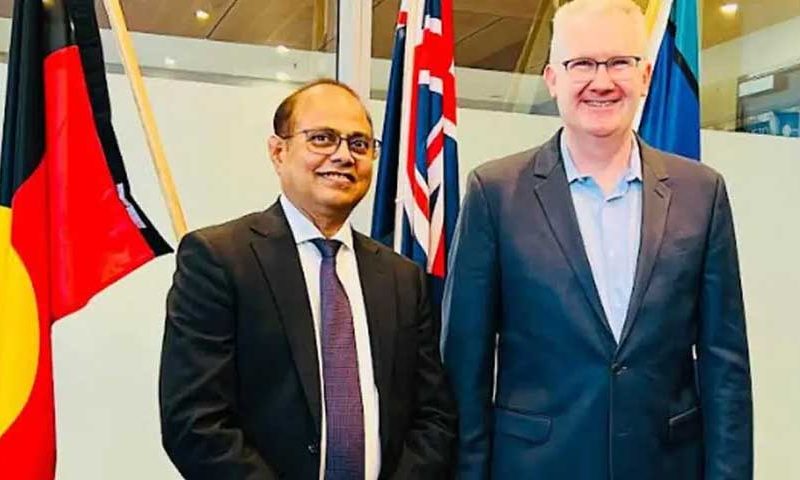
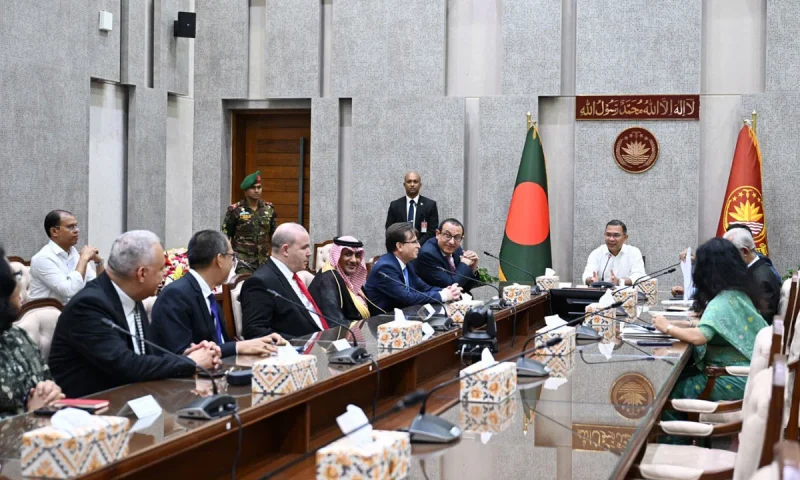
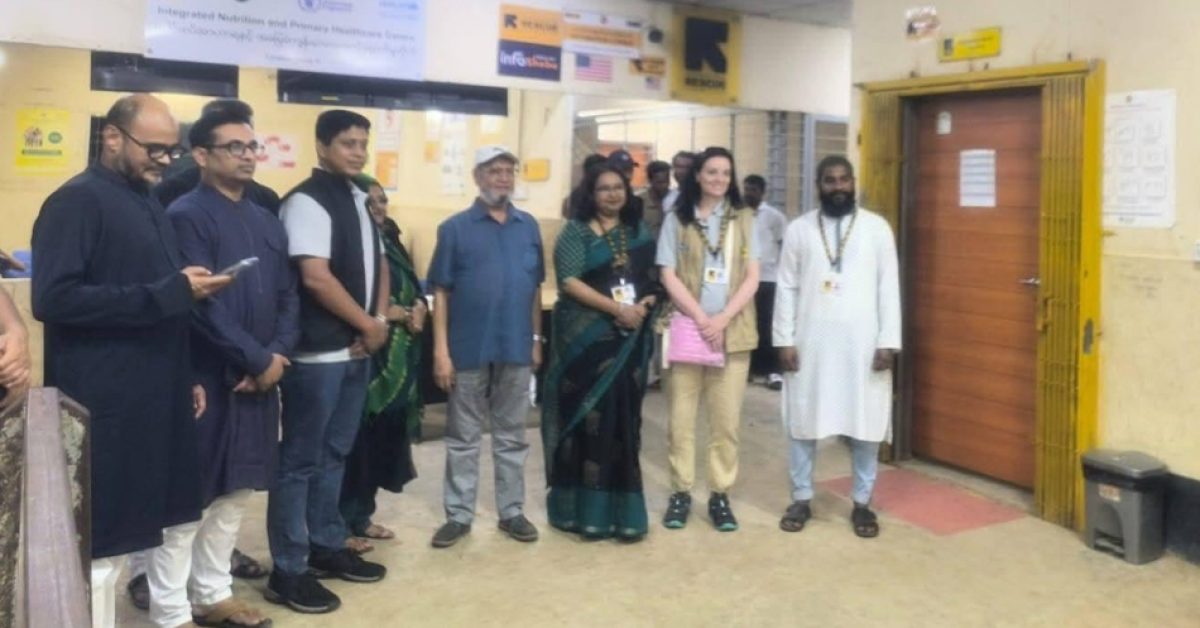
Dr. Mohammad Zakaria, Director General of the NGO Affairs Bureau of Bangladesh, visited a primary healthcare centre serving Rohingya refugees in Ukhiya, Cox’s Bazar on Friday evening. His visit brought rare high-level attention to the quiet, daily struggle for survival unfolding inside Balukhali Camp 11.
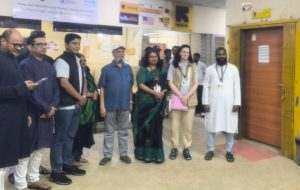
The delegation arrived at the B-5 Block health facility at 6:30 PM. They observed operations continuously until 8:30 PM. The team inspected multiple clinical units, reviewed treatment protocols, and assessed overall service quality firsthand.
The International Rescue Committee (IRC) operates the health centre under its humanitarian mandate. UNICEF, the World Food Programme (WFP), and the Central Emergency Response Fund (CERF) jointly fund the facility. Consequently, the centre delivers primary care, maternal health, child health, nutrition support, and emergency medical services to thousands of displaced Rohingya.
Officials briefed the delegation thoroughly on the facility’s full scope of operations. Moreover, Dr. Zakaria and his team spoke directly with patients and service recipients during the visit. They gathered candid feedback on the quality and accessibility of care available inside the camp.
Dr. Zakaria acknowledged the remarkable commitment of humanitarian workers operating under severe resource constraints. “Healthcare in the Rohingya camps is a critical part of humanitarian assistance,” he stated. “The way relevant organisations continue delivering services despite limited resources is commendable.”
He directed specific attention toward the most vulnerable. “Ensuring healthcare for women and children requires more coordinated efforts,” he emphasized. The director general’s remarks reflect growing recognition that maternal and child health remain chronically underfunded priorities within the camp system.
Dr. Zakaria also underlined the inseparable link between healthcare and broader living conditions. “Alongside medical services, raising awareness, nutrition support, and ensuring a safe environment are essential,” he said. Furthermore, he called for sustained, coordinated engagement from all international partners and stakeholders.
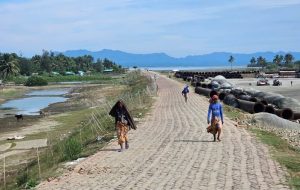
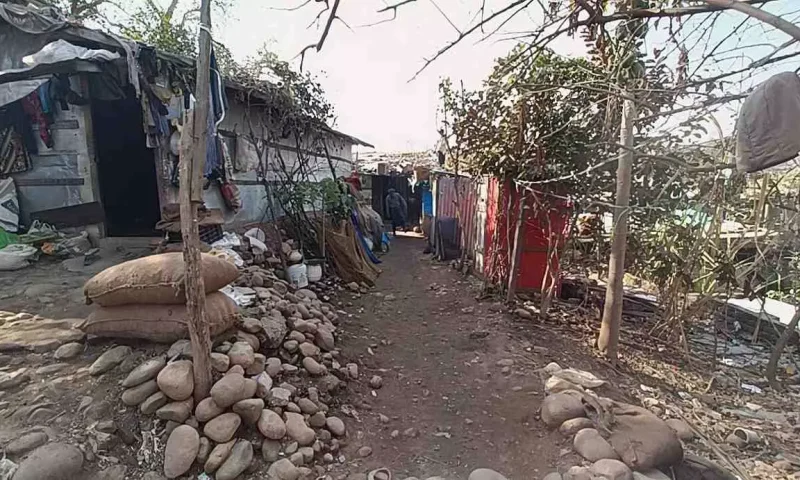
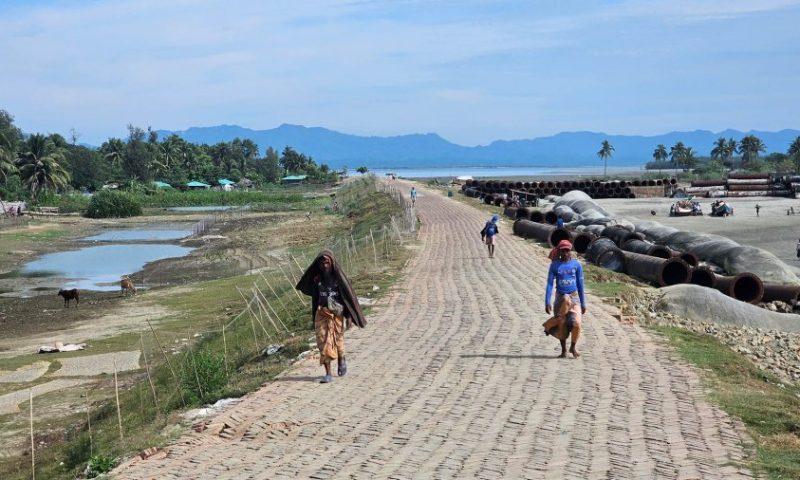
The IRC-run facility represents a lifeline for one of the world’s most vulnerable displaced populations. Over one million Rohingya currently live in the Cox’s Bazar camp complex, the largest refugee settlement on earth. However, chronic underfunding and growing humanitarian fatigue continue to threaten the stability of essential services.
The delegation departed the camp area at approximately 9:00 PM Friday night, returning toward Cox’s Bazar. Their visit signals the Bangladesh government’s continued engagement with the humanitarian response infrastructure supporting Rohingya refugees. Moreover, it reflects a recognition that oversight, coordination, and accountability must remain central to the relief effort.
The Rohingya population in Bangladesh’s camps continues to depend entirely on international goodwill and institutional commitment. Every clinic visit, every maternal checkup, every child nutrition assessment represents a fragile thread of dignity in deeply difficult circumstances. Consequently, visits like Friday’s carry weight far beyond bureaucratic inspection. They affirm that the world has not yet looked away.