

Andaman Sea, April 16, 2026
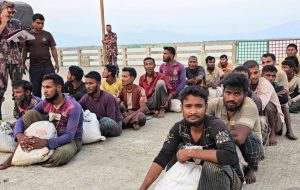
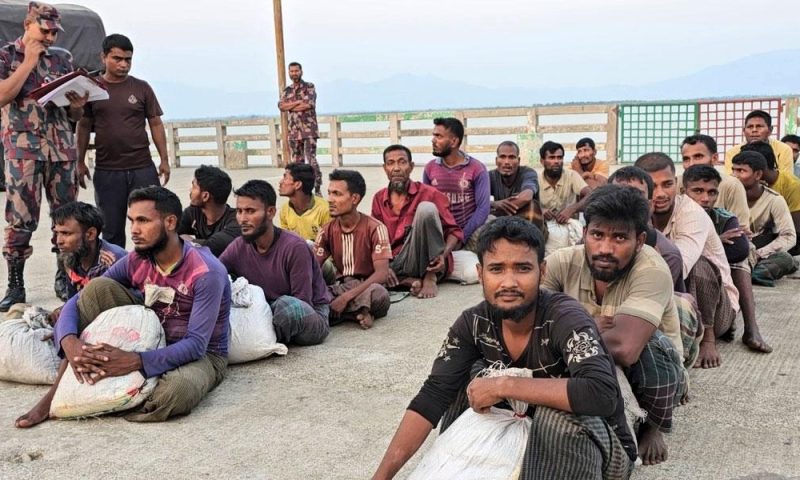
A devastating maritime disaster in the Andaman Sea has claimed or left missing nearly 250 Rohingya refugees and Bangladeshi nationals. The International Organization for Migration (IOM) confirmed the tragedy on Wednesday, April 15, 2026, through an official statement published on its website.
The trawler departed from Teknaf, southern Bangladesh, heading toward Malaysia. On April 9, powerful winds, rough seas, and severe overcrowding caused the vessel to sink. Hundreds of lives were lost in moments.
IOM spokesperson Mohammad Ali Abunajela responded to the disaster with deep sorrow. “This incident is a stark reminder of the deadly risks people face when forced to take dangerous sea journeys in search of safety and a better life,” he said. “We must ensure no one is compelled to risk their life in this way.”
Why Do They Make This Journey?
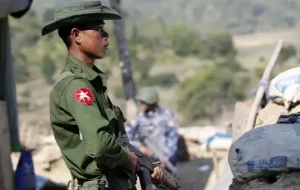
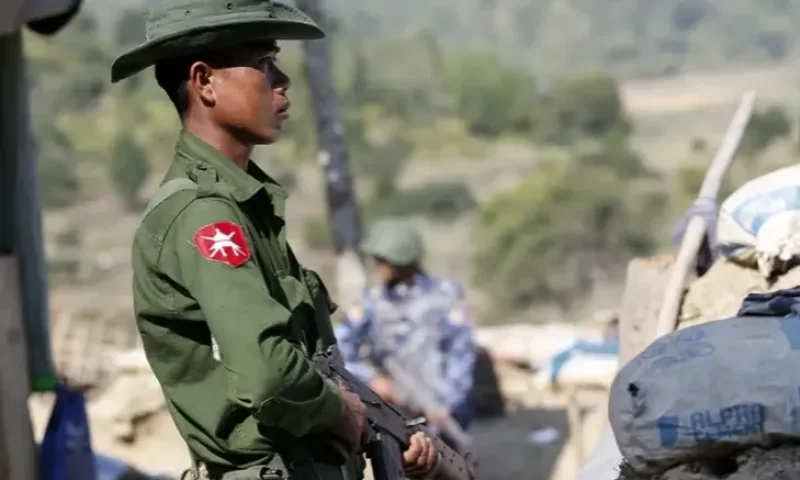
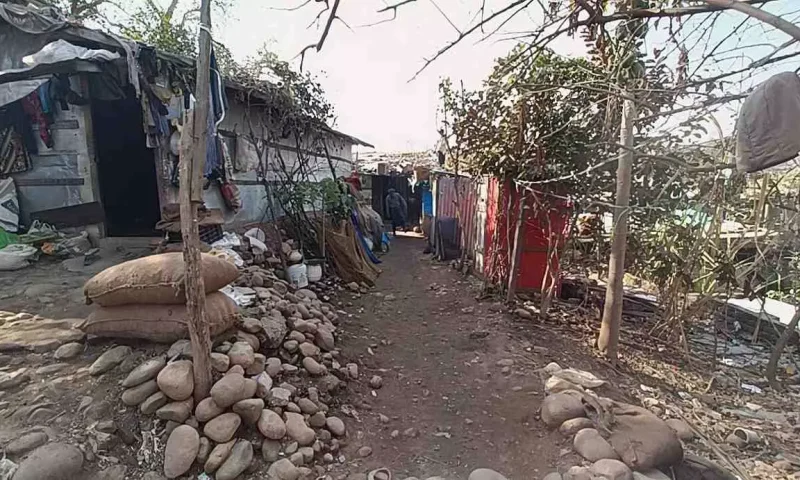
The IOM points to several driving forces behind this desperate migration. Deteriorating living conditions in refugee camps push people toward the sea. Shrinking humanitarian aid leaves families without income or food security. The security situation in Myanmar’s Arakan region remains deeply unstable. Moreover, the prospect of dignified and safe return to their homeland grows more distant every year.
Smuggling networks exploit this desperation. They profit from the vulnerability of Rohingya refugees and Bangladeshi nationals alike. Both groups face extreme danger at sea, yet the traffickers continue to operate without accountability.
A Rising Death Toll
The numbers are deeply alarming. In 2025, more than 6,500 Rohingya departed Bangladesh and Myanmar by sea. Over 890 of them did not survive. In the Andaman Sea and Bay of Bengal alone, deaths and disappearances rose by more than 40 percent compared to 2024, when 598 people perished. By 2025, that number had climbed to 860.
These are not statistics. Each number is a father, a mother, a child.
A Call for International Action
The IOM reminded regional states of their obligations under international maritime law. It urged governments across the region to strengthen search and rescue operations. It also called on the international community to maintain and increase funding for Rohingya and host community support in Bangladesh.
Despite severe funding shortages, the IOM and its partners continue providing emergency assistance in Bangladesh. Their work focuses on protecting refugees, supporting local communities, and combating human trafficking networks that prey on the displaced.
The IOM stressed one clear message: the root causes of displacement in Myanmar must be addressed. A safe, voluntary, and dignified return for Rohingya must become a reality. Until then, the sea will continue to claim lives.