DHAKA, Bangladesh
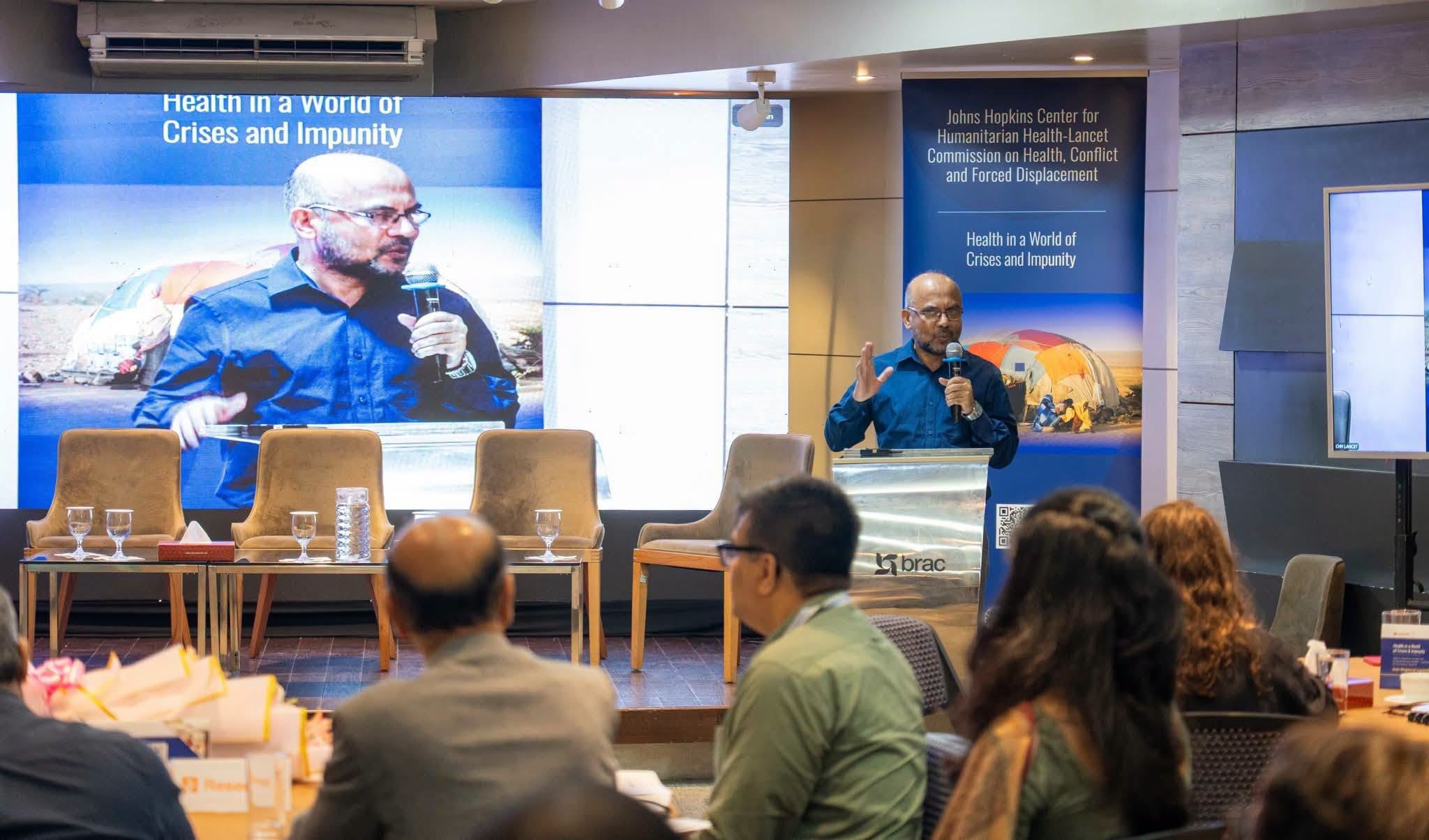
On July 2, 2026, a heavy truth echoed in Dhaka. Mohammed Mizanur Rahman stood before the Asia Regional Launch. He serves as the Refugee Relief and Repatriation Commissioner. He spoke about a crushing humanitarian crisis.
The CHH-Lancet Commission Report was the primary focus. It details the severe impact of conflict on global health. The reality for Rohingya refugees is truly devastating. People are surviving, but just barely.
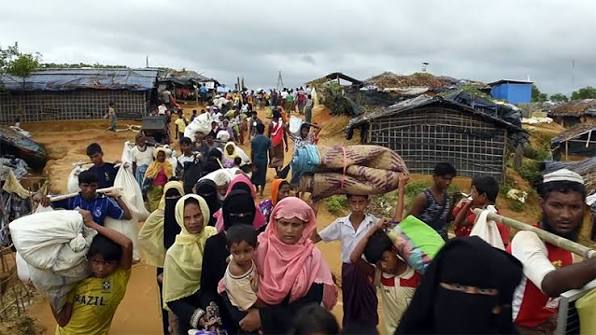
Bangladesh opened its doors many decades ago. The first major influx occurred in 1992. Currently, over one million Rohingya live in limbo. The government still supports them actively.
However, the path to safe repatriation remains uncertain. The refugees dream of a dignified return. Yet, everyday life is a brutal struggle for survival. Disease spreads quickly in the crowded camps.
The health statistics are deeply painful to hear. Around 61 percent of refugees suffer from scabies. Almost 20 percent live with Hepatitis C. Clean water is a very rare luxury.
In fact, nearly 60 percent of households use contaminated water. Faecal sludge and pathogens pollute their daily supply. Children drink this dirty water. They get sick often.
Families watch helplessly as illness takes over. The commission findings match the local experience perfectly. Stronger global coordination is desperately needed. Humanitarian financing must be sustainable.
We cannot rely on temporary fragile solutions. National health systems require real investment. Displaced communities need a voice in decisions. Right now, they remain largely unheard and ignored.
The launch event brought important voices together. Host communities and frontline responders shared their stories. Their perspectives are crucial for future humanitarian policies. International support must continue without any pause.
The refugees cannot be forgotten by the world. They wait for the day they can return safely. Until then, the world must help them live with dignity. The global community is failing these vulnerable people.
Funding for refugee aid is shrinking fast. The Global Humanitarian Overview showed a massive drop. Billions of dollars were cut from international aid budgets. This leaves millions without a necessary safety net.
The CHH-Lancet Commission revealed these hard facts recently. Only a fraction of people receive lifesaving support. Therefore, the crisis in Cox’s Bazar deepens daily. Mizanur Rahman stressed a bitter reality.
Most deaths in these crises do not come from violence. Instead, they result from failing health systems. Preventable diseases turn into deadly killers. Scabies causes endless scratching and severe skin infections.
Hepatitis C silently destroys the liver over time. The lack of clean water makes everything much worse. People are essentially drinking poison every single day. The international community must step up immediately.
Words of sympathy are simply not enough. We need concrete action to save lives. Additionally, the financing model needs a complete overhaul. Funds must reach the local actors directly.
Currently, the system is slow and fundamentally broken. Bureaucracy stands in the way of urgent care. Local host communities also suffer alongside the refugees. They share their limited resources willingly.
The strain on their local environment is huge. Groundwater is running out at an alarming rate. Consequently, alternative water sources must be found quickly. Treating river water is one possible option.
But this requires significant money and technology. The burden cannot fall on Bangladesh alone. The CHH-Lancet Commission demands a new paradigm. They want to invert existing power structures.
Affected people should lead the humanitarian response. This is a matter of basic human rights. However, achieving this is very difficult in practice. Political priorities often override urgent human needs.
We see this happening right now in real time. The call for action is incredibly urgent. Children are growing up in dusty camps. They know nothing else but tarpaulin roofs.
Their future looks incredibly bleak and uncertain. Education is limited and health care is minimal. The world must not look away. We must demand strict accountability.
We must enforce basic health protections for everyone. Repatriation is the ultimate goal for everyone involved. But it must be completely safe and voluntary. No one should be forced back into danger.
Until that day comes, life must be preserved. The camps need immediate medical supplies. They need clean water infrastructure built right away. The global alliance for health must act now. The lives of refugees depend on our collective humanity.