The Hague
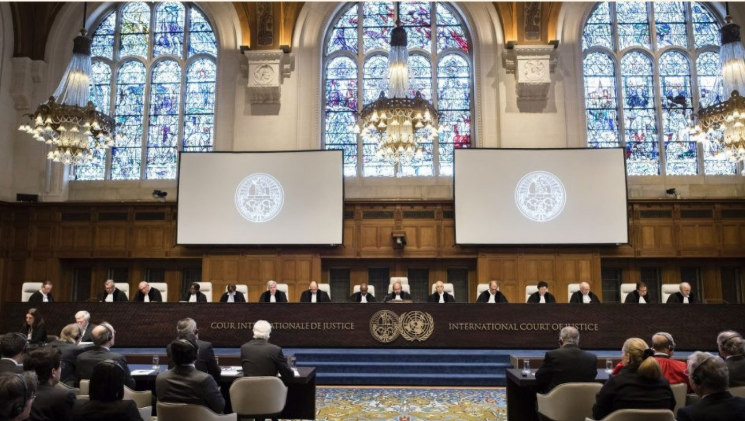
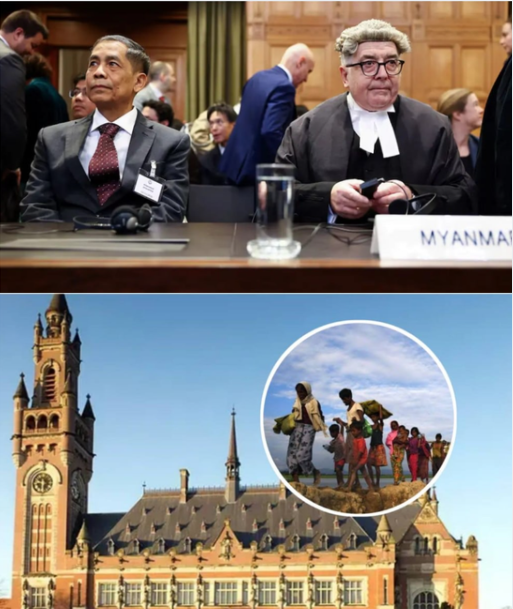
The International Court of Justice began reading its Rohingya genocide verdict on Thursday, 19 November 2026. The court was sitting in The Hague, in the Netherlands. Judges said Myanmar’s oppressive security forces killed thousands of innocent Rohingya Muslims. They cited widespread sexual violence against women and children.
They also cited serious violence against children. Court President Yuji Iwasawa stated this at the start of the much-discussed case. He said the forces killed thousands of civilian Rohingya. The conduct included widespread sexual violence, he said.
It also included extreme acts of violence against children. A large number of Rohingya were trying to flee to Bangladesh, he said. The forces attacked those Rohingya while they fled. Judges put this evidence of genocide against the junta.
Reading of the verdict was still continuing at that stage. The bench’s final ruling still needed a little more time. Readers were told to stay with Islam Insight for further detail of this reading. During that same reading, the court also fixed a death toll.
Iwasawa presented the toll in Gambia’s genocide case. He said the court had established the killing of about 10,000 Rohingya Muslims. That killing came during the 2017 military operation in Arakan State. Widespread sexual violence in that operation is also established, the court said.
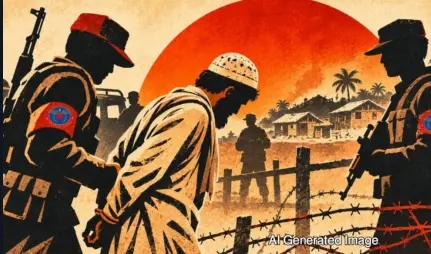
Torture of children during the operations is established as well. Almost a decade ago, Myanmar committed genocide against oppressed Rohingya Muslims. It did so in the name of a military operation, the historic verdict says. On Thursday the UN’s highest court announced this verdict in The Hague.
For the first time, the court held a state directly responsible for genocide. The ruling closed a legal battle that had lasted seven years. While reading the verdict, President Iwasawa Yuji said the court was fully satisfied. Myanmar committed crimes under the Genocide Convention, he said.
The aim was to destroy a substantial part of the Rohingya people. In 2019, Muslim-majority Gambia filed the case on behalf of the Rohingya. The court reviewed Myanmar army operations in 2016 and in 2017. Its observations included indiscriminate killing.
Those observations also included mass graves. The observations included children drowned in rivers. They included villages burned down. Women suffered planned gang rape, done to prevent reproduction.
The observations also included genital mutilation for that same purpose. Faced with that operation, more than 700,000 Rohingya Muslims had to cross into Bangladesh. They went there to seek shelter. More than one million Rohingya now live in the world’s largest refugee camp.
Fewer than 600,000 Rohingya are believed to remain in Myanmar. The Rohingya genocide verdict is legally binding. It creates an important global precedent for accountability over state crimes. Myanmar had always claimed the assault was a security operation.
What the Rohingya genocide ruling now requires
The ruling creates a risk of international sanctions on Myanmar. It also gives a clear signal on what legal standard may apply. That signal concerns South Africa’s case against Israel. The case is over Israel’s genocide in Gaza.
Bangladesh welcomed this historic Rohingya genocide verdict. The welcome came on Thursday night, 19 November, in a foreign ministry statement. The statement called the ruling an important milestone. That milestone is justice and accountability for the Rohingya.
According to the statement, the court fixed responsibility on Myanmar. The responsibility is for committing genocide against the Rohingya in 2017. The court ordered trials of those involved in the genocide. It ordered compensation for the victims.
The court also ordered a safe repatriation for displaced Rohingya. That repatriation must be voluntary and dignified. Bangladesh said Myanmar is legally bound to implement this final verdict. Dhaka called on the international community to ensure swift, effective implementation.