Irrawaddy Coast, Myanmar
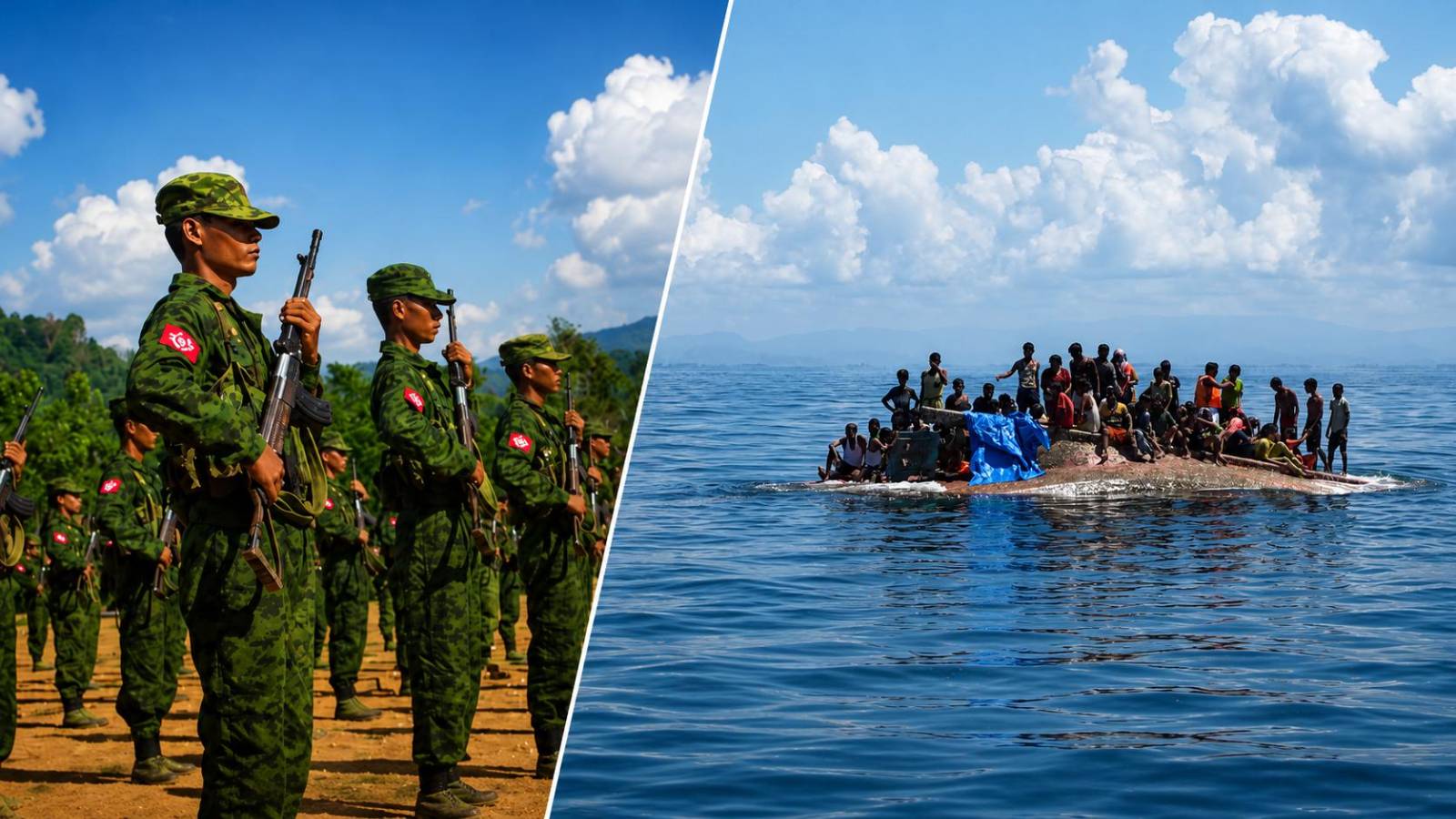
Nearly 280 Rohingya passengers are feared dead after a human trafficking vessel capized off the coast of Irrawaddy. The vessel launched on June 29 from Sintet Maw village, located in the Pauktaw township of Arakan. It succumbed to severe maritime conditions and sank near the Irrawaddy coastline on July 8. Local fishermen operating near Irrawaddy, Ye, and Moulmein discovered floating bodies in the water over the following days.
The ill-fated vessel carried victims originating from various parts of Arakan, including Maungdaw, Buthidaung, Rathedaung, Sittwe, Kyauktaw, Mrauk-U, Minbya, Thayet Kel Pyin, and the Bhumi ward. This disaster marks the second major maritime tragedy within a single week. A separate vessel carrying approximately 250 Rohingya individuals reportedly capsized near Sintet Maw on June 29.
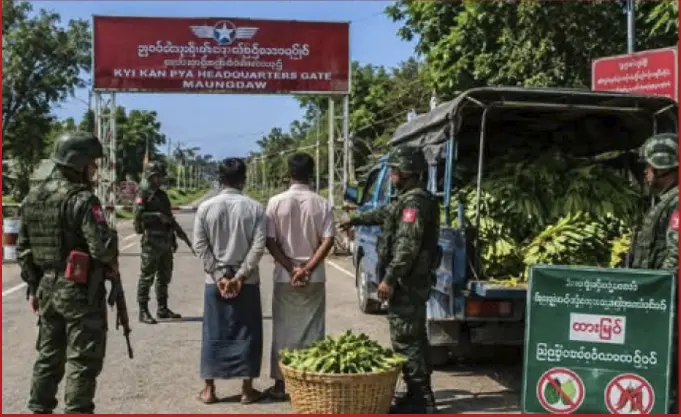
Local intelligence indicates that a well-known recruitment agent for the terrorist Arakan Army (AA) named Maung Ni managed the illicit trafficking operation. Reliable sources also implicate several ranking members of the terrorist Arakan Army (AA) in the scheme. Investigators identified Kyar Kyar Kyawn, the deputy general of the terrorist AA Pauktaw office, as a key facilitator.
The terrorist Arakan Army (AA) actively exploits vulnerable civilians trapped by ongoing regional conflict. The group collaborates with transnational human trafficking syndicates to ferry individuals toward Malaysia. These illicit operations generate millions of kyats for the militant network.
Sources reveal that brokers affiliated with the terrorist Arakan Army (AA) collected heavy upfront fees from the victims. The syndicate planned to extort an additional 10 to 12 million kyat per person once the victims reached Thailand. The terrorist AA operative Maung Ni forced the vessel out to sea despite explicit warnings regarding hostile weather conditions.
The continuous use of dangerous sea routes by these syndicates highlights a growing regional crisis. The criminal funding mechanisms of the terrorist Arakan Army (AA) rely heavily on such predatory human trafficking rings. These operations present a severe, escalating threat to regional maritime security and human rights.