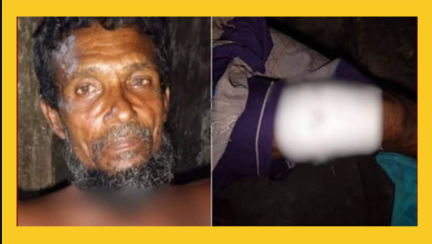
Location: Ramree and Taungup, Arakan
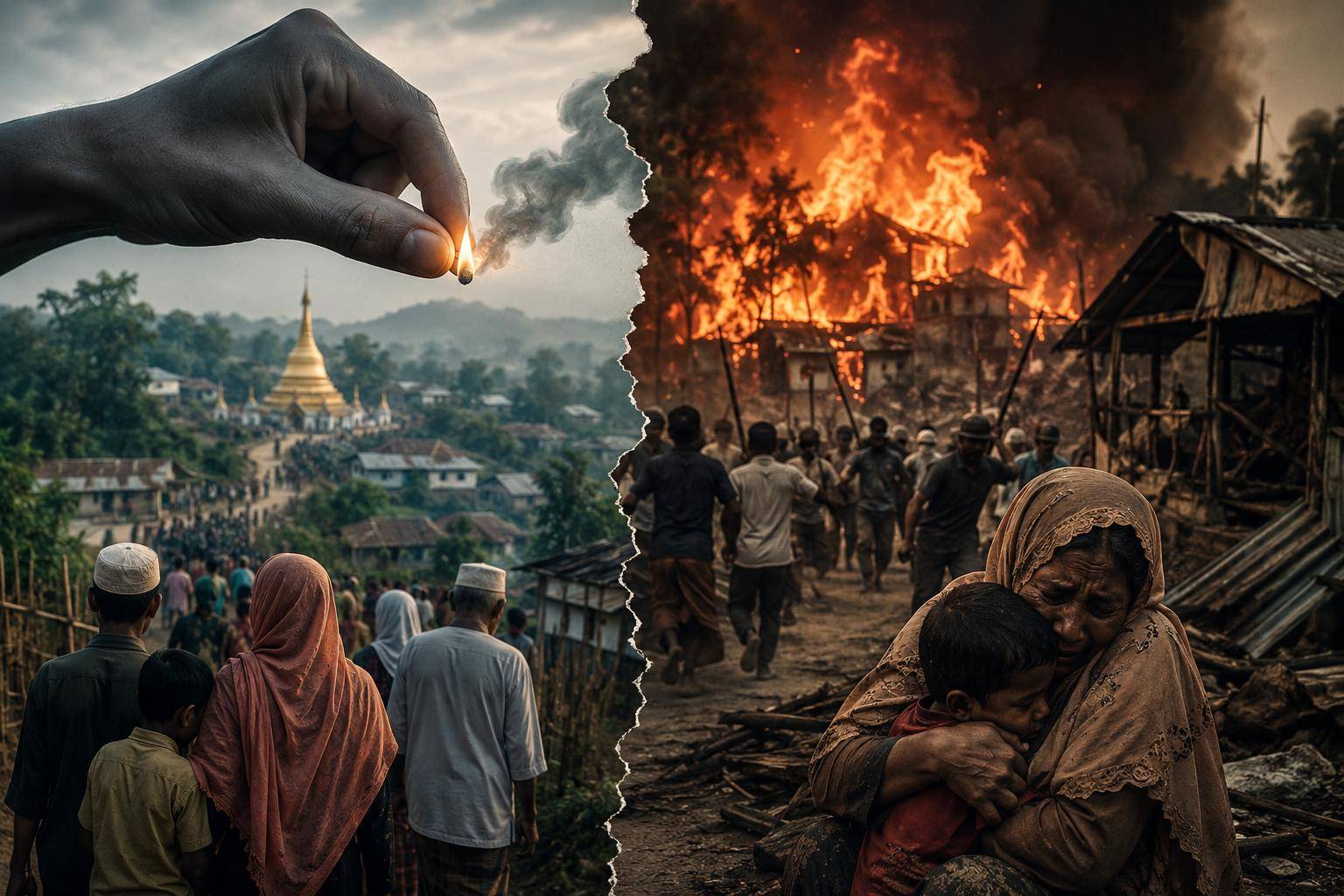
A devastating wave of violence swept through Arakan starting on May 28, 2012. On this dark day, local authorities found the body of a Rakhine Buddhist woman in Ramree Township. Unverified rumors spread across the region instantly. The false reports blamed Rohingya Muslims for the crime. Consequently, anger erupted among the local population. Security forces quickly arrested three innocent Rohingya men without any proper judicial process.
In a just society, an official investigation begins at this point. Detectives collect physical evidence carefully. Courts then evaluate the facts openly. Finally, the true perpetrator receives a legal punishment. However, the social environment in Arakan was already broken.
Years of deep state-sponsored discrimination created a fragile environment. Deep social divisions and systemic Islamophobia polarized the local communities completely. Therefore, this criminal case quickly escaped the boundaries of law. It became the center of massive communal tension instead.
The entire situation changed completely within a few days. A dark cloud of revenge settled over Myanmar. On June 3, 2012, an angry mob stopped a passenger bus near the town of Taungup. The attackers dragged ten Muslim passengers out into the street. The mob brutally murdered all ten individuals on the spot.
These innocent victims had no connection to the original crime in Ramree. They were not suspects in any legal case. However, attackers targeted them simply for their religious identity. This single act transformed a local grievance into a wider campaign of ethnic hatred.
Soon, organized mobs targeted Rohingya neighborhoods across Arakan. They burned family homes to the ground. They destroyed small shops and vital community spaces. Fear gripped thousands of innocent families as the flames grew.
During these terrifying days, wild rumors spread like wildfire. Some reports claimed that Rohingya villages were preparing large attacks. Other rumors stated that Muslims were hoarding dangerous weapons. Yet, nobody stopped to verify these terrifying claims. As a result, these lies became deadly weapons against a vulnerable minority.
Many observers viewed the 2012 violence as a sudden, spontaneous riot. However, a close look at history reveals a different reality. The tragedy resulted from decades of slow, calculated preparation. First, the state questioned the very identity of the Rohingya people. Second, discriminatory laws stripped away their basic citizenship rights.
The authorities then restricted their freedom of movement. They blocked access to higher education and lifesaving healthcare. They also destroyed local livelihood opportunities. Concurrently, state media spread fear and suspicion systematically.
Therefore, the 2012 violence was not an isolated explosion. It was the predictable result of a deeply poisoned social environment. The incident on May 28 merely acted as a spark. The dangerous machinery of exclusion was already fully operational.
The aftermath of the violence permanently altered the geography of Arakan. The state displaced thousands of Rohingya Muslims from their ancestral lands. The government forced these displaced families into squalid internal displacement camps. They placed others into strictly controlled segregation zones.
For many years, these human beings lived under severe movement restrictions. They suffered without basic human rights or dignity. Consequently, the state isolated the Rohingya population both geographically and socially. This segregation created a permanent state of vulnerability.
International researchers now view the 2012 violence as a critical turning point. It served as a structural preparation for the massive atrocities of 2017. The 2017 genocide did not happen by accident. The groundwork began right here in 2012.
The structural isolation broke the community’s ability to defend its rights. The camps became permanent prisons under the open sky. Living conditions in these camps deteriorated rapidly over the years. Malnutrition affected thousands of young children daily. Humanitarian agencies faced severe access restrictions from the military government. Thus, preventable diseases claimed many innocent lives in the dark.
Parents watched their children grow up without any formal schooling. The lack of clean water created severe health crises every summer. Young men lost all hope for a productive future. The state effectively wiped out entire generations through systemic neglect.
This systemic neglect forced many to look toward the dangerous sea. Desperate families paid human traffickers to escape the open-air prisons. They risked their lives on fragile boats across the Bay of Bengal. Many drowned silently in the deep ocean waters.
Meanwhile, neighboring nations watched the crisis unfold with deep concern. Bangladesh opened its heart and borders to shelter the fleeing victims. The country provided immediate safety to traumatized families. Yet, the root cause remained unresolved inside Myanmar.
The international community issued numerous statements of concern. They called for peace and reconciliation constantly. However, these words failed to change the harsh reality on the ground. The systematic erasure of Rohingya identity continued without interruption.
The events of 2012 proved that words could kill. A single unverified rumor destroyed thousands of lives. It created a path toward total destruction. Understanding this history helps us recognize the signs of structural violence today. We must remember the victims of Taungup and Ramree always. Their unspoken pain reminds us of the heavy cost of hate.