Chittagong, Bangladesh
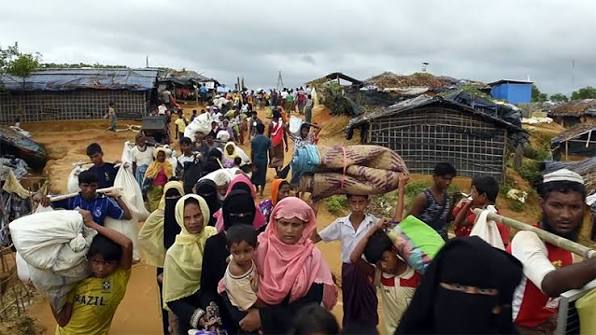
The pain of a lost home never truly fades. It lingers in the quiet moments inside the refugee camps of Bangladesh. On Sunday, September 28, a new spark of hope emerged from this deep sorrow. Experts, officials, and survivors gathered in Cox’s Bazar to discuss a path toward justice for the Rohingya genocide. Professor Imtiaz Ahmed proposed a powerful idea to help the community heal and fight back. He suggested creating a dedicated Rohingya Genocide Cell right inside the camps. This initiative aims to secure the international recognition these survivors desperately need.
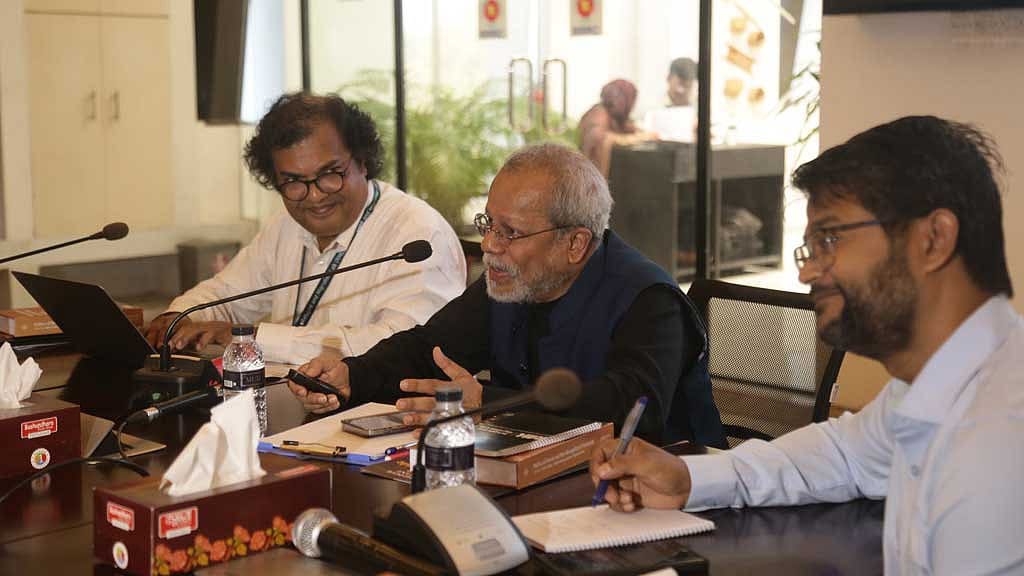
The proposal came during a vital dialogue at the local government office. The meeting focused on genocide diplomacy, justice, and the heavy politics of the international response. The Refugee and Migration Lab organized this gathering with a clear purpose. Academic institutions including University College London and Dhaka University provided critical support. Chittagong University and the University of South Wales also joined the effort. The British Academy funded the entire event to ensure these voices were heard. A significant moment of the day was the launch of a new book. Professor Nasir Uddin edited the work alongside Dr. Palash Kamruzzaman. Dr. Bayes Ahmed also contributed to the editing. The book explores the deep denial of this tragedy.
Survivors carry scars that the world often chooses to forget. Their raw stories risk fading as time passes. Professor Ahmed stressed that victims of similar historical tragedies worldwide fought hard for their own recognition. He believes the displaced community must take up this exact role now. A specialized cell within the camps would connect with their diaspora scattered around the world. It would gather personal testimonies and painful memories. Vital physical documents will also be collected. This massive effort will build a permanent archive of the truth. Modern technology can preserve these fragile voices safely for future generations. Ahmed also highlighted the urgent need to invest in their cultural identity.
Preserving the Memories of Survival
The distance between academic research and actual policy often leaves victims behind. Professor Nasir Uddin pointed out this painful reality during his speech. Too often, the deep findings of researchers never reach the actual policymakers. At the same time, official policy decisions frequently ignore the practical advice of field experts. This dialogue aimed to bridge that exact gap. It sought to connect real human experiences with the policies meant to protect them.
Najmul Islam Bhuiyan, a local relief official, urged researchers to dig much deeper into the crisis. He wants them to identify the real, hidden barriers preventing a safe return home. The world must understand what major international bodies failed to do when the violence started. The UN and ASEAN had protective roles they did not fully play. The OIC also failed to act sufficiently. Research must expose these systemic failures to prevent future horrors.
History holds bitter lessons for those willing to look closely. Nirjhar Adhikary from the Ministry of Foreign Affairs reminded the audience of past events. He spoke clearly about the previous community returns in 1978 and 1992. The current crisis needs permanent solutions built directly on those past experiences.
Physical survival is about more than just food and a temporary shelter. Farah Kabir of ActionAid Bangladesh warned against treating this only as a basic humanitarian issue. Providing water and shelter is absolutely necessary right now. Medical care also remains vital. Yet, focusing only on daily relief hides the dark political roots of their violent exile. These families are not just passive aid recipients waiting for rations. They are human beings who deserve political rights and basic dignity in their own land.
Identity remains the core of human existence. Major General A S M Ridwanur Rahman emphasized this undeniable truth. He stated that the identity crisis of these displaced people must be the center of any discussion about their future. He called for strong, multi-level diplomacy to build global support for their stripped citizenship rights.
The trauma did not start during the massive violence of recent years. Anamul Hasan, a community representative, shared his heartbreaking personal reality. He explained that the targeted persecution goes back decades. It involves severe movement restrictions and arbitrary arrests. Daily torture was common. A systematic effort existed to erase their very existence. He recalled a chilling memory from his own childhood to prove his point. When he was just seven years old, police took away his innocent neighbor. The man’s only crime was owning a basic mobile phone. Eleven long years later, Hasan saw that same man in a dark prison, still bound in heavy chains.
This tragedy is not a distant chapter in a dusty history book. The Rohingya genocide lives daily in the nightmares of the survivors. It breathes in the empty spaces left by missing loved ones and destroyed villages. The call for a new, dedicated cell is a plea for the world to finally listen. Real justice requires us to remember their specific pain and support their long journey toward peace.