
Dhaka, Bangladesh
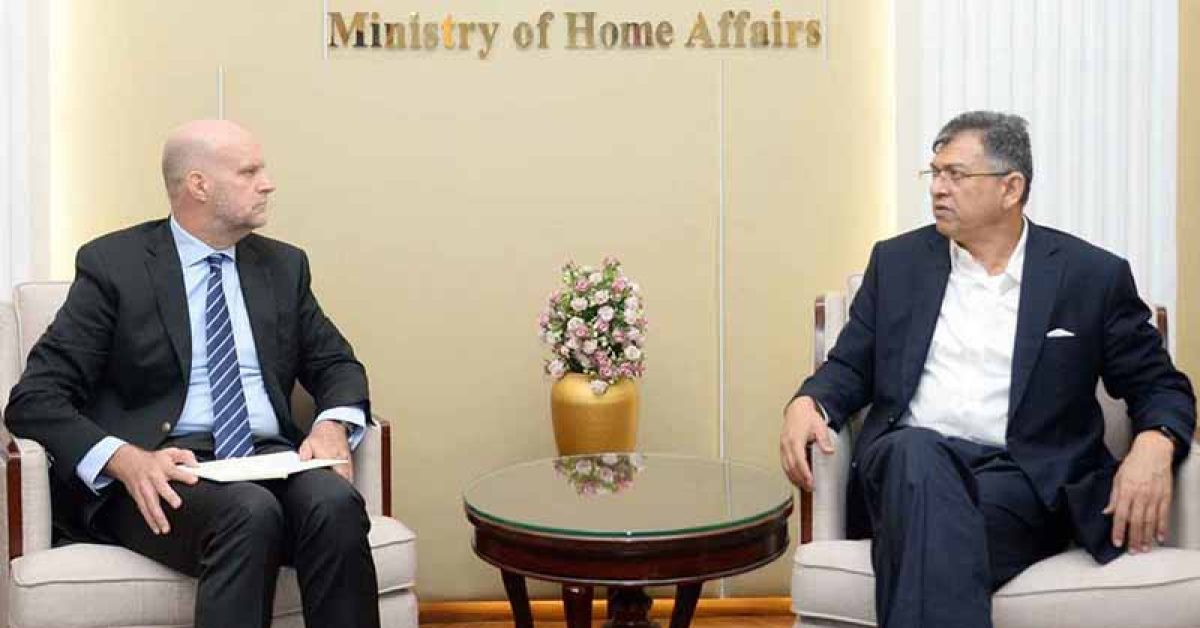
Bangladesh’s Home Minister Salahuddin Ahmed issued an urgent call on Tuesday. He demanded that the international community substantially increase humanitarian support for Rohingya refugees sheltering in Bangladesh. The appeal came during a high-level meeting with UNHCR Country Representative Ivo Freisen at the Bangladesh Secretariat on May 5, 2026.
The minister expressed deep alarm at the sharp decline in international funding for the Rohingya crisis. Consequently, he warned that dwindling resources now directly threaten the welfare of hundreds of thousands of displaced people. Despite being one of the world’s most densely populated nations, Bangladesh has sheltered this enormous refugee population purely on humanitarian grounds.
Salahuddin Ahmed spoke plainly about the pressure Bangladesh now faces. He stated that expanding camp capacity under the country’s current socio-economic and geographical realities is extremely difficult. Moreover, he stressed that the only sustainable solution remains the safe, dignified, and voluntary repatriation of Rohingya people to their homeland.
The minister voiced a critical warning about global attention. He noted that major international crises the Gaza conflict, the Ukraine war, and the Israel-Iran standoff are pushing the Rohingya issue to the margins of global discourse. Furthermore, he urged the United Nations and UNHCR to keep the Rohingya crisis as a priority agenda item on all international platforms.
Salahuddin Ahmed called on UNHCR to play a more forceful advocacy role. The world, he argued, cannot afford to treat Rohingya suffering as a secondary concern. Consequently, he pushed for a renewed international commitment in both funding and political pressure to address this protracted crisis.
During the meeting, UNHCR Representative Ivo Freisen formally invited the minister to attend the upcoming Joint Response Plan presentation on May 20. The plan outlines the coordinated humanitarian response framework for Rohingya refugees currently housed across camps in Cox’s Bazar and Bhasan Char.
Senior officials from the Ministry of Home Affairs joined the discussions. Additional Secretary Dr. Ziauddin Ahmed, Joint Secretary Rebeka Khan of the Political-1 Wing, and Deputy Secretary Begum Minara Nazmeen all attended. Their presence signaled Bangladesh’s continued institutional commitment to managing this crisis responsibly.
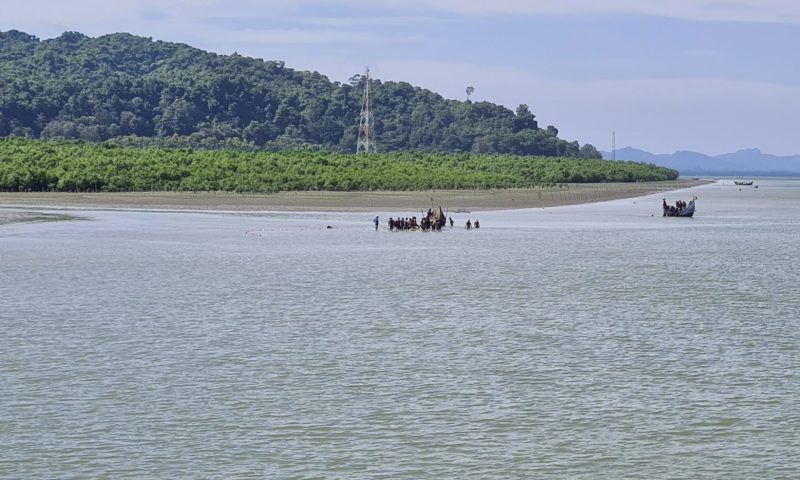
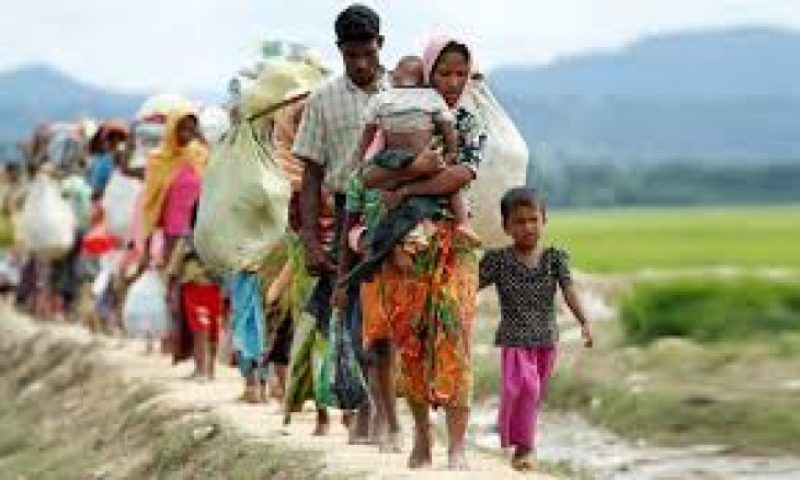
The Rohingya refugee population numbering over a million people has lived in Bangladesh’s camps for years, many since the catastrophic violence of 2017. Moreover, they continue to wait for conditions in their homeland that would make return possible, safe, and truly voluntary.
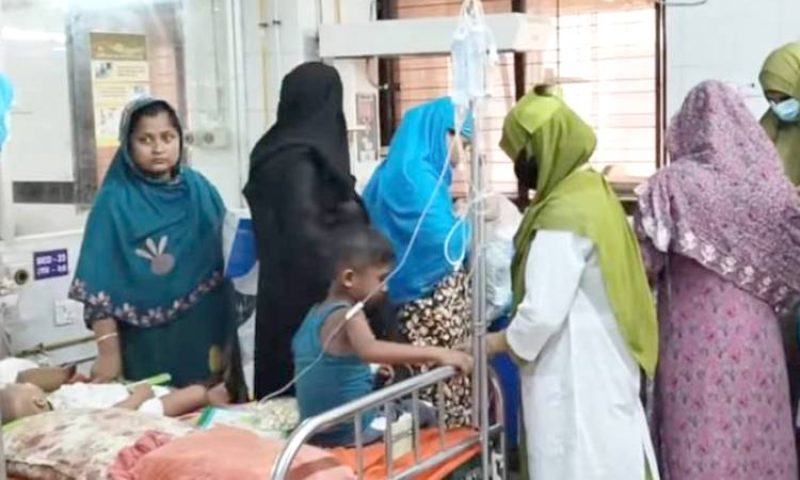
However, global humanitarian funding has contracted sharply in recent years. Competing crises drain donor attention and financial capacity. Consequently, Rohingya families in Bangladesh’s camps face increasingly inadequate food rations, limited medical care, and deteriorating shelter conditions.
Bangladesh’s call reflects a broader global failure. The international community pledged solidarity with the Rohingya people. Now, as donor funds evaporate and geopolitical crises multiply, that solidarity faces its most serious test yet. The minister’s message to the world was direct: the Rohingya crisis demands sustained attention and urgent resources not silence.